

round silver wall mirror
Understanding the Machinist Gauge Pin Set Essential Tools for Precision Engineering In the world of precision engineering, the machinist gauge pin set stands as a vital tool for professionals who strive for accuracy and reliability in their work. These small, cylindrical pins are designed to provide exact measurements, making them indispensable in a variety of applications, from machining to quality control in manufacturing processes. A machinist gauge pin set typically includes a range of pins with precise diameters, allowing machinists to check hole sizes, alignments, and tolerances with ease . The pins are often made from high-quality materials to ensure durability and longevity, as well as to maintain accuracy over time. Common materials include steel or carbide, which provide robustness and resistance to wear, an essential quality given the demanding environment in which these tools are often used. One of the primary uses of a gauge pin set is to measure the internal dimensions of holes. The pins can be inserted into drilled or machined holes to verify their diameter and ensure that they meet specified tolerances. This function is critical in industries such as automotive, aerospace, and manufacturing, where even minute discrepancies can lead to significant problems down the line. By using a range of pins, machinists can quickly and accurately determine whether a given hole is within acceptable limits. machinist gauge pin set Moreover, gauge pins serve another essential purpose they are used for alignment and setup. In situations where precise positioning is critical, such as in the setup of a CNC machine or the calibration of complex machinery, gauge pins can assist in achieving the correct alignment. By utilizing gauge pins, machinists can establish reference points and ensure that components are installed accurately, leading to better overall performance and reduced manufacturing errors. Another important aspect of machinist gauge pins is their role in quality assurance. The consistency and accuracy of manufactured components can be verified using these pins, helping to maintain high standards in production. By regularly checking tools and machines with gauge pins, companies can identify wear or drift in measurements early, allowing for timely adjustments before issues escalate. Furthermore, many machinist gauge pin sets feature a corresponding gauge or tolerance chart. This reference allows machinists to understand the specific tolerance levels for particular applications, further enhancing the precision of their work. With this information at their fingertips, machinists can make informed decisions about the appropriate pin to use in various scenarios, streamlining the measurement process. In summary, the machinist gauge pin set is an invaluable tool in the field of precision engineering. Its ability to measure, align, and verify makes it essential for professionals dedicated to maintaining high-quality standards in their work. As industries continue to demand greater accuracy and reliability, the role of machinist gauge pins will undoubtedly remain a cornerstone of precision machining and quality control. With the right set of gauge pins, machinists can ensure that their work meets the rigorous demands of modern manufacturing, ultimately contributing to better products and enhanced operational efficiency.
about
round silver wall mirror
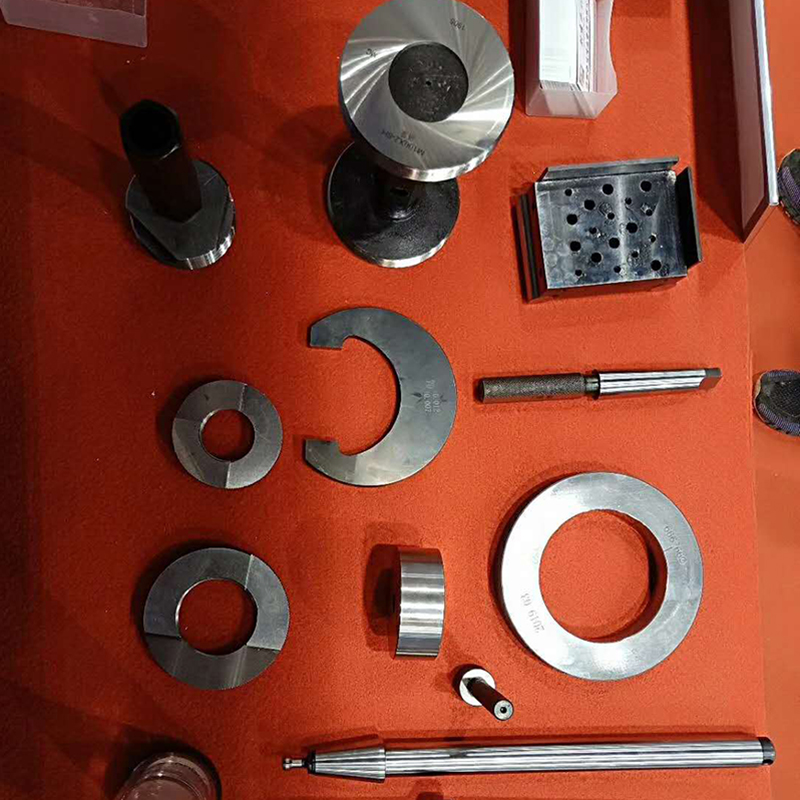
Understanding Ring Gauge and Plug Gauge Key Elements in Precision Measurement In the realm of manufacturing and engineering, precision is paramount. The dimensions of machined parts must adhere to strict tolerances, and even a minor deviation can lead to malfunction or failure of the final product. To ensure that these tolerances are met, various measuring tools and gauges are employed, among which the ring gauge and plug gauge play a significant role. What Are Ring Gauges? Ring gauges are cylindrical tools used to measure the external diameter of a part. Their primary function is to verify whether a workpiece's outer dimension falls within specified tolerances. Ring gauges are typically produced in two categories go and no-go gauges. - Go Gauges These are designed to fit onto or over the workpiece, confirming that the part is within the acceptable limits. If a go gauge can be applied without force, the diameter is considered acceptable. - No-Go Gauges These are intended to not fit onto the workpiece. If a no-go gauge passes over the part, it indicates that the dimension is oversized and fails the inspection. The simplicity and effectiveness of ring gauges make them essential in quality control processes, ensuring that manufactured components meet the required specifications. What Are Plug Gauges? Conversely, plug gauges are designed for measuring the internal dimensions of holes, such as diameters and depths. Similar to ring gauges, plug gauges also come in go and no-go varieties. - Go Plug Gauges These gauges are inserted into a hole to check its diameter . If the go plug fits without undue force, the internal diameter is within specification. - No-Go Plug Gauges These gauges are larger in diameter than the go plugs and are used to ensure that the hole is not oversized. If a no-go plug gauge fits into the hole, it fails to meet the required standard. ring gauge plug gauge Both ring and plug gauges are essential in ensuring that components fit together correctly in assemblies, which is crucial in industries such as aerospace, automotive, and precision engineering. Importance in Quality Control The proper use of ring and plug gauges contributes significantly to maintaining quality control in production processes. They help identify defects early, reducing scrap rates and ensuring that only parts that meet stringent specifications proceed through the manufacturing line. This not only saves costs but also enhances the reliability and performance of the end products. Material and Design Ring and plug gauges are typically made from high-quality tool steel or carbide, ensuring durability and long-term accuracy. They are often treated with surface hardening techniques to withstand wear. Precision grinding is used to achieve the required tolerances, making them reliable tools for measurements. The design of these gauges also considers user convenience; most modern gauges feature ergonomic handles and clear markings indicating their size and tolerance levels, making them easy to use in various settings. Calibration and Maintenance Like all precision measuring tools, ring and plug gauges require regular calibration and maintenance to ensure accuracy. Calibration involves comparing the gauges to a standard reference that is traceable to national or international measurement standards. Proper care, including cleaning and storage in protective cases, can extend the life of these gauges and preserve their accuracy. Conclusion In conclusion, ring gauges and plug gauges are fundamental tools in precision engineering and manufacturing. They provide critical measurements that ensure parts meet safety and performance standards, contributing to the integrity of finished products. As industries continue to evolve, the role of these gauges remains vital; they are indispensable allies in the pursuit of quality control, guaranteeing that every component fits perfectly and functions reliably. The continued development and innovation in gauge technology will further enhance their effectiveness, driving forward the standards of precision in manufacturing practices.
-

High quality industrial productsagement

High quality industrial products
View Details -

Meet the diverse needs of customers

Meet the diverse needs of customers
View Details -

Strict quality control

Strict quality control
View Details -

Top raw materials

Top raw materials
View Details -

Trusted supplier

Trusted supplier
View Details
Our application

news and information
Wooden Villa House Connection Solutions with Truss Mending Nail Plates for Structural Integrity
The Essential Role of Truss Mending Nail Plates in Wood Villa Construction Wooden villas exude charm
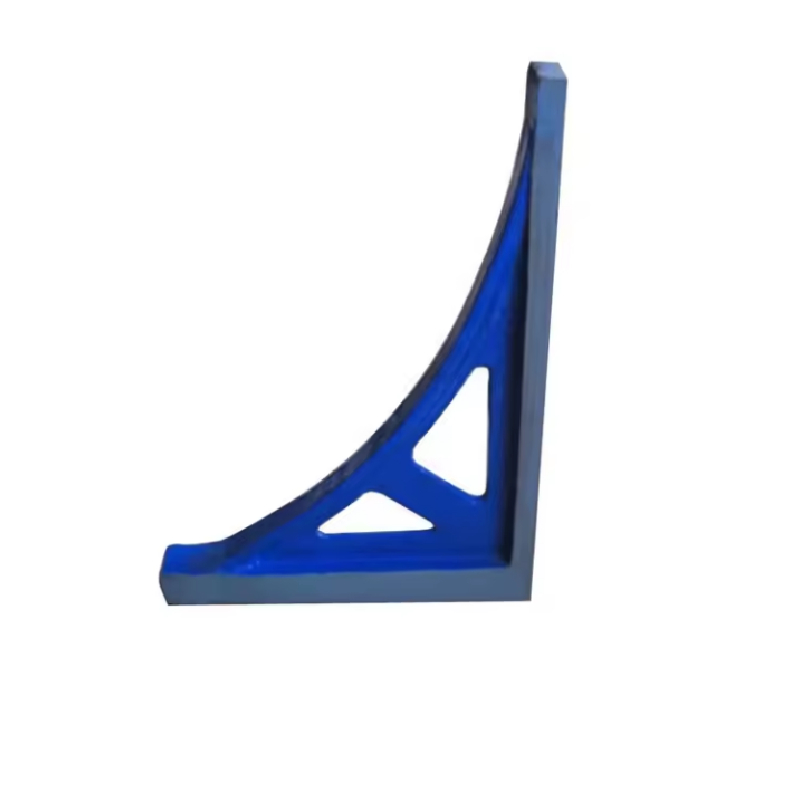
V Blocks for Precision Machining and Tool Alignment in Manufacturing Processes
Understanding V Blocks for Machining Essential Tools for Precision Work In the realm of machining, p
Välineet tarkkuusmittaamiseen syvyysmittari 18-35 mm halkaisijalle
Dial bore gauge on yksi tärkeimmistä työkaluista tarkkuusmittauksessa teollisuudessa, erityisesti ku
 English